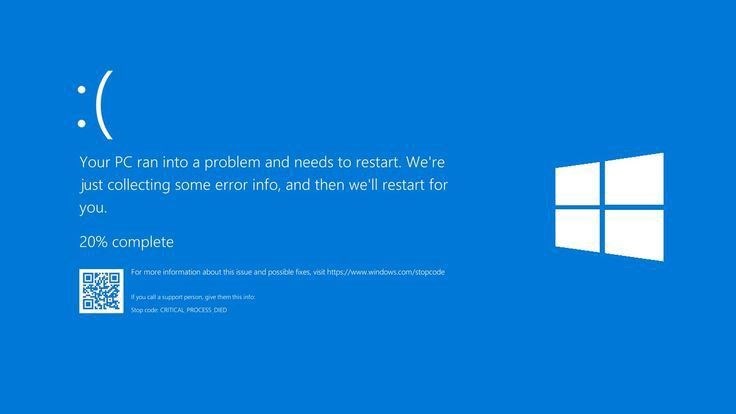
Microsoft is phasing out the famous Blue Screen of Death (BSOD) that appeared when systems experienced fatal crashes in Windows. The replacement has a black background, fewer details about the error but a large QR code. This is an improvement based on the user input about the complexity and non-instructional measures in the old screen in case of a crash in the system.
Highlights:
- The new screen uses a black background instead of blue.
- Technical jargon is minimized for clarity.
- A QR code provides instant access to support resources.
- Rollout begins with Windows 11 updates this year.
- User frustration with the old BSOD drove this redesign.
According to Microsoft, the major ingredient behind the change in the Blue Screen of Death is the feedback of the users. Cryptic error messages on the blue background over decades were not helpful when there was a critical system failure. The modern design should be less confusing, with the key information provided in an obvious form and troubleshooting tips available through the QR code.
The new screen removes the blue scheme of the screen completely. It shows a summarized record of error and a large QR code. By scanning into this QR code, the user can be redirected to a particular Microsoft Support page according to the failure that they are experiencing thus solving the problem more easily rather than breaking long codes. This is what has been the main functional enhancement of the old Blue Screen of Death.
Such a replacement is an indication that Microsoft is keen on enhancing user experience in the event of a system failure. The Blue Screen of Death was an old marker of annoyance. The fact that it is being retired along with Windows 11 changes implies the switch to more practical help when it comes to critical errors. The novel design gives precedence to supporting the user in disruptive events.